
Colonial Cities in Mexico
A Beatiful and Perfect Place to Explore Beyond
Because sometimes, the best way to discover Mexico isn’t by moving constantly — but by staying somewhere that connects you to everything.
From colorful streets to rich traditions, these colonial cities are not only beautiful — they are also strategically located to help you explore nearby towns, hidden gems, and cultural experiences without the stress of constant travel.
Why Colonial Cities in Mexico Are More Than Just Beautiful Stops
When travelers think about Mexico, they often imagine beaches or big cities. However, there is another side of the country that feels more intimate, more cultural, and surprisingly more convenient to explore. That’s where colonial cities come in.
Not only do they offer history, architecture, and gastronomy — but they also work as perfect travel hubs. In other words, you can stay in one place while easily discovering several nearby destinations.
Because of this, planning becomes simpler, and at the same time, your experience becomes richer.
What Makes a Colonial City a Great Travel Hub?
Walkability Meets Connectivity
These cities are designed for exploration. You can walk through historic centers, enjoy local markets, and still have access to transportation that connects you to nearby towns.
Culture at the Center — Literally
Unlike modern cities, colonial towns were built around plazas. As a result, everything happens within reach — from museums to local food experiences.
Easy Access to “Pueblos Mágicos”
Most importantly, many colonial cities are surrounded by smaller towns full of personality, traditions, and authenticity.
Puebla
The Baroque Soul & Culinary Capital
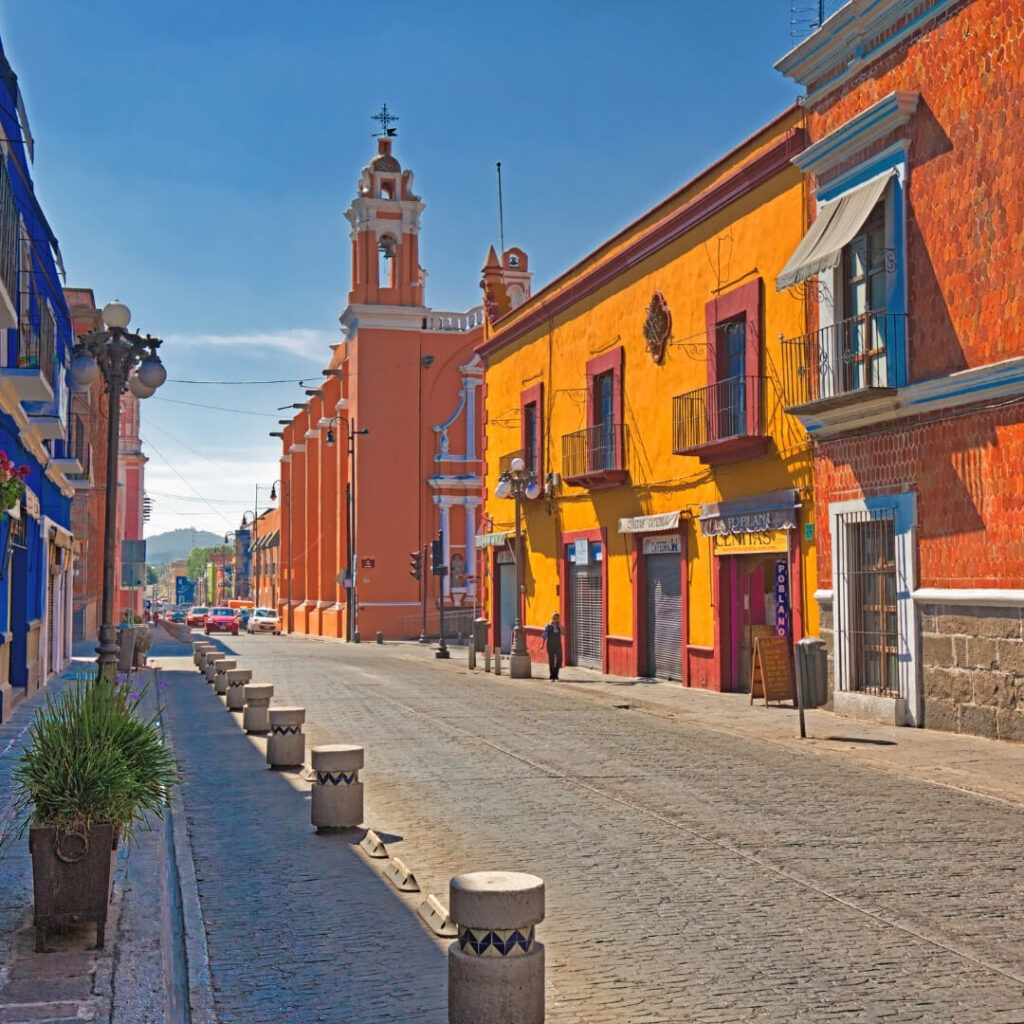
Puebla is my top recommendation for those who seek a blend of monumental architecture and the finest flavors of Mexico. As a UNESCO World Heritage site, its streets are a living museum of Talavera tiles and golden altars.
However, what truly makes Puebla stand out is not only its beauty — but its ability to connect you with an entire region full of culture, food, and tradition.
Because of its location, Puebla works exceptionally well as a base for exploring nearby destinations without needing to constantly relocate.
Interested in Puebla?
Here is my personal perspective about beautiful Puebla and the many things that you can do when you plan your visit.
What Makes Puebla Special?
- A walkable historic center filled with churches, monasteries, and colorful tiled facades
- A strong culinary identity (mole poblano, chiles en nogada, traditional sweets)
- A cultural atmosphere that feels both elegant and deeply local
Nearby places you can explore
- Cholula — home to one of the largest pyramids in the world
- Atlixco — a vibrant town known for its flowers and colorful stairways.
- Val´Quirico– the European-inspired charm of medival town full of “chic” stores and restaurants.
So think of staying in Puebla for a few days so you can experience not just the city — but the richness of the entire region. But if you are on a tight schedule, and you are thinking of a day trip from Mexico City, we also have you covered.
Queretaro
A Perfectly Connected Colonial Hub
Queretaro tends to surprise travelers — not because it tries to impress, but because everything simply works.
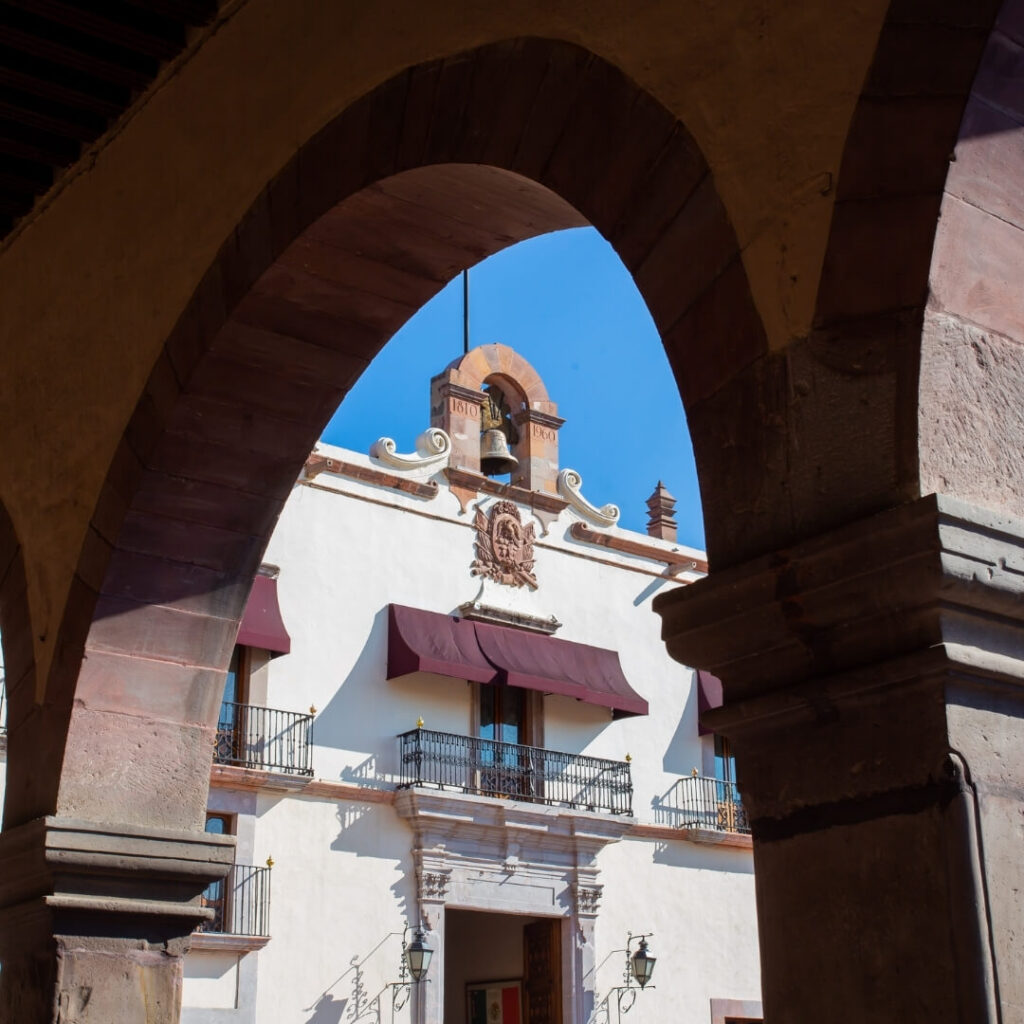
Its historic center, with well-preserved colonial architecture, plazas, and aqueducts, offers a calm and authentic atmosphere. Yet at the same time, its real strength lies in its strategic location.
In fact, Queretaro is one of the best-connected colonial cities in central Mexico, making it an ideal base for multiple day trips.
What Makes Queretaro Special?
- A clean, safe, and highly walkable historic center
- A balance between local life and cultural heritage
- Easy logistics for exploring surrounding regions
Nearby places you can explore
- Peña de Bernal — one of the largest monoliths in the world
- Tequisquiapan — wine and cheese route with local vineyards
- San Miguel de Allende — a world-renowned colonial city just 1–1.5 hours away
- Guanajuato — cultural heart of Mexico
Because everything is within reach, Queretaro allows you to explore multiple destinations while staying grounded in one place.
Interested in Queretaro?
Take a look at the miniguide I have prepared about the colonial elegance and wine country of this region.
Guadalajara
The Mariachi & Tequila Capital
Guadalajara is often seen as a large city — but at its core, it holds a strong colonial identity that shapes everything around it.
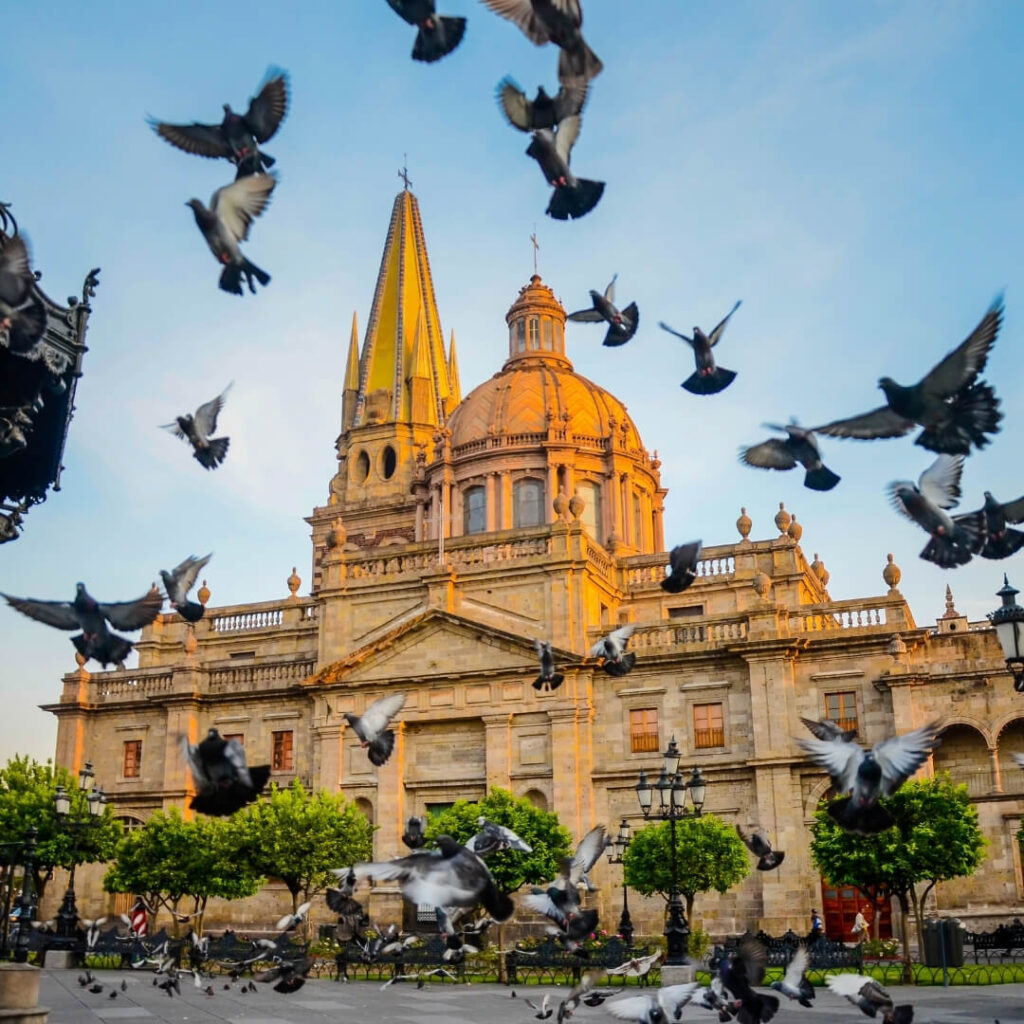
From historic plazas and cathedrals to cultural landmarks like Hospicio Cabañas, the city blends history with a vibrant, living culture.
At the same time, Guadalajara functions as a gateway to some of Mexico’s most iconic experiences.
Special Note on Lake Chapala: If the peaceful shores of Lake Chapala and Ajijic capture your heart and you begin to envision a life here, I invite you to explore my Relocation & Scouting Services to learn how I can help you transition into this beautiful community.
What Defines Guadalajara?
- The birthplace of mariachi and a strong cultural identity
- A lively historic center combined with modern energy
- A deep connection to traditions that are still alive today
Nearby places you can explore
- Tequila — where agave landscapes and distilleries define the region
- Tlaquepaque — an artisan town full of galleries and handcrafted pieces
- Lake Chapala & Ajijic — relaxed lakeside towns with a completely different pace
So rather than seeing Guadalajara as just a city, it becomes a starting point for understanding an entire region — culturally, historically, and experientially.
Interested in Guadalajara?
I have developed these curated guides to give you a clear perspective on the top things to do and my personal recommendations for Guadalajara.
Durango
The Hidden Gem of the North
Located in northern Mexico, Durango is one of the country’s most underrated colonial cities, known for its rich history, well-preserved architecture, and unique cultural identity.
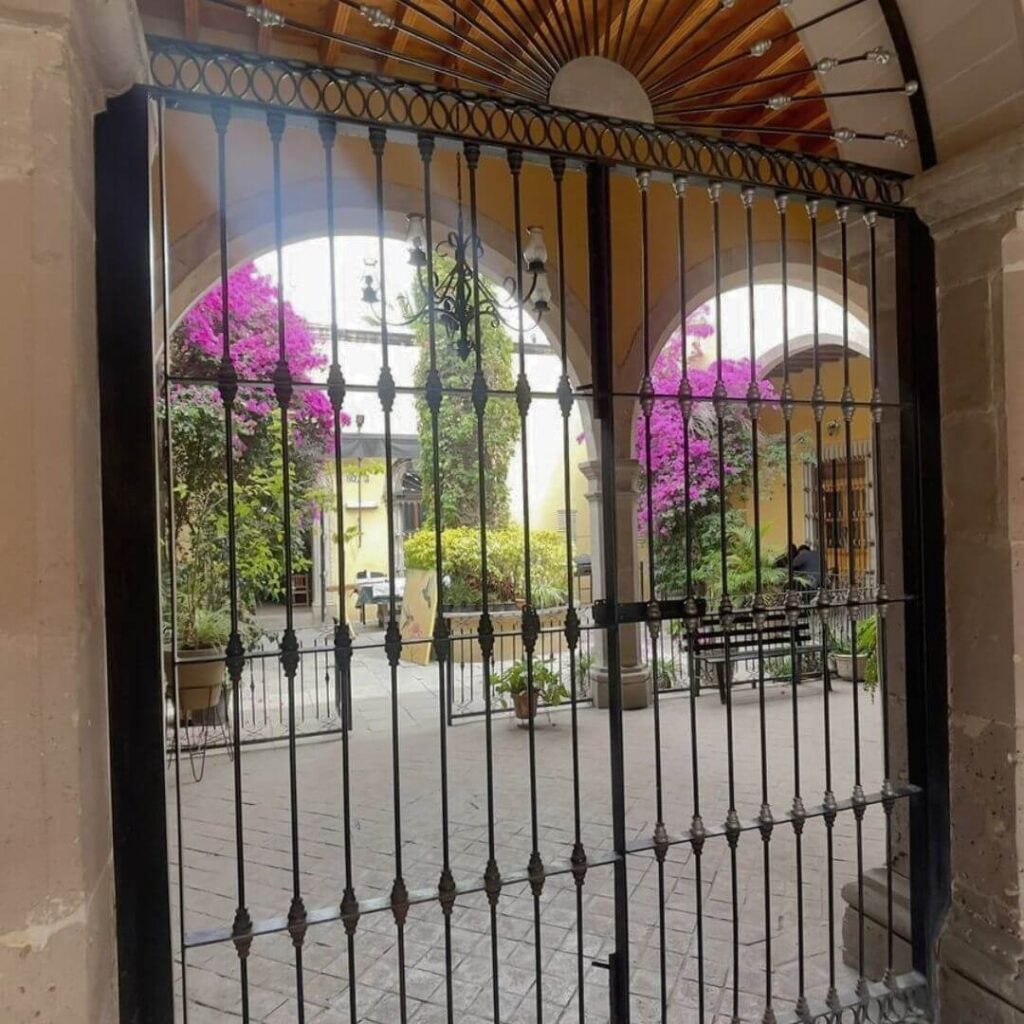
Its historic center features colorful facades, intricate carved stone details, and a calm, walkable atmosphere that feels far from the crowds of more popular destinations.
Things to Do in Durango
Visitors can explore Durango’s colonial past through its churches, plazas, and museums, while also discovering its connection to the Mexican Revolution and figures like Pancho Villa.
You can also walk through underground tunnels beneath the city, visit western-style film sets used in international productions, and take the cable car up to Cerro de los Remedios for panoramic views.
What Makes Durango Special?
- A well-preserved colonial historic center with authentic local atmosphere
- A unique combination of colonial, revolutionary, and film history
- A destination known as the Land of Scorpions
- One of Mexico’s top filming locations for Hollywood movies
- A relaxed, less crowded alternative to other colonial cities in Mexico
Nearby places you can explore
- La Ferreria — an archaeological site with ancient indigenous history, plus the remains of an old iron foundry and the Casa Grande, a former hacienda home from Durango’s industrial past
- Nombre de Dios — one of the oldest towns in the region, known for mezcal, natural springs, and local traditions
- Mexiquillo Natural Park — waterfalls, forests, and unique rock formations, perfect for a nature escape
- Puente Baluarte — one of the highest bridges in the world, with incredible mountain views and a scenic drive experience
Interested in Durango?
Explore my mini guide to Durango—colonial streets, film history, and local flavors.
Your Basecamp My Expertise
Choosing the right hub is about aligning your personal interests with the soul of a region. Whether you are drawn to the culinary depths of Puebla, the colonial serenity of Queretaro, or the vibrant traditions of Guadalajara, I am here to ensure your stay is seamless, secure, and deeply enriching.
Ready to Select Your Perfect Colonial City?
If you are looking for a tailored balance of relaxation and curated exploration, let’s find the perfect base for your Mexican journey.